How the “Wrong” Career Choices Have Built Me a Kick-Ass Nursing Career (Part Two): Soft Nursing
Why Soft Nursing Isn’t a Step Back: How a Low‑Stress Role Can Strengthen Your Nursing Career
Nurses are inundated with advice—follow the traditional path, stay in acute care, build your skills the “right” way. But as I’ve learned throughout my career, the “right” way is often just the expected way.
I ignored a lot of that advice. And despite doing things “wrong,” I’ve built a fulfilling, sustainable nursing career with zero regrets. This series breaks down the biggest myths about nursing career paths—one so‑called “bad” choice at a time.
“Bad” Choice #2: I Embraced the Soft Nursing Life (And Returned to Acute Care Without Missing a Beat)

Nurse in scrubs with coffee cup.
I entered nursing school with a clear plan: ICU → NP → lifelong acute care. Four years later, I was a burnt‑out ICU nurse who realized that plan no longer fit the life I was actually living.
Night shift was draining me. I had young kids. I felt physically exhausted and mentally scattered. And for the first time in my life, I didn’t know what I wanted next.
That’s when I discovered what we now call soft nursing—roles with lower stress, predictable schedules, and actual work‑life balance. Think:
Clinic nursing
School nursing
Phone triage
Case management
Utilization review
Insurance‑based nursing roles
For me, it was utilization review for two major insurance companies. And honestly? It was career‑saving.
How Soft Nursing Changed My Life (And My Career)
Soft nursing gave me:
A predictable schedule
Weekends, holidays, and nights off
Remote work flexibility
A salary that exceeded my hospital pay
Three years without calling off once
Space to breathe, think, and heal
It didn’t make me less of a nurse. It made me a healthier one.
And when I eventually returned to inpatient nursing—because I wanted to—I stepped back into the ICU as if I had never left. Two years later, I became a flight nurse. A few years after that, I completed my advanced practice degree.
Soft nursing didn’t derail my career. It strengthened it.
Why Soft Nursing Might Help You (Not Just Me)
Here’s where we shift from my story to yours—because soft nursing isn’t just a personal anecdote. It’s a legitimate, strategic career move for nurses who need a reset.
Below are the ways stepping into a soft nursing role can support your long‑term career, wellbeing, and clarity.
1. Soft Nursing Can Protect You from Burnout
Acute care nursing demands constant vigilance, emotional labor, and moral weight. Soft nursing gives your nervous system a break.
You get:
Lower acuity
Fewer life‑or‑death decisions
More predictable workflows
Actual breaks and meals
Time to recover physically and mentally
Burnout doesn’t disappear on its own. Soft nursing gives you the space to heal.
2. It Helps You Reconnect with Your Identity Outside of Nursing
When your job consumes your nights, weekends, holidays, and sleep cycles, it’s easy to lose yourself.
Soft nursing gives you:
Time with family
Time for hobbies
Time for rest
Time to figure out who you are beyond your badge
You can’t build a sustainable career if you’re disconnected from your own life.
3. It Creates Space for Career Clarity
When you’re exhausted, you can’t make big decisions. Soft nursing gives you the mental bandwidth to ask:
What kind of nurse do I want to be?
What kind of life do I want to live?
What specialty actually fits me?
Do I want advanced practice? Leadership? Education? Something else?
Clarity requires quiet. Soft nursing gives you that quiet.
4. It Doesn’t Close Doors—It Opens Them
There’s a myth that stepping away from acute care makes you “less competitive.” It’s simply not true.
Soft nursing can help you:
Return to acute care refreshed
Pursue advanced practice
Transition into leadership
Explore non‑bedside specialties
Build a diverse resume
Strengthen your adaptability
Your career isn’t a straight line. It’s a landscape—and soft nursing is part of that landscape.
5. It Can Make You a Better Nurse When You Return
When you come back to acute care, you bring:
Renewed energy
Clearer thinking
Better boundaries
More confidence
A healthier relationship with work
A deeper understanding of the healthcare system
Soft nursing doesn’t weaken your skills. It strengthens your foundation.
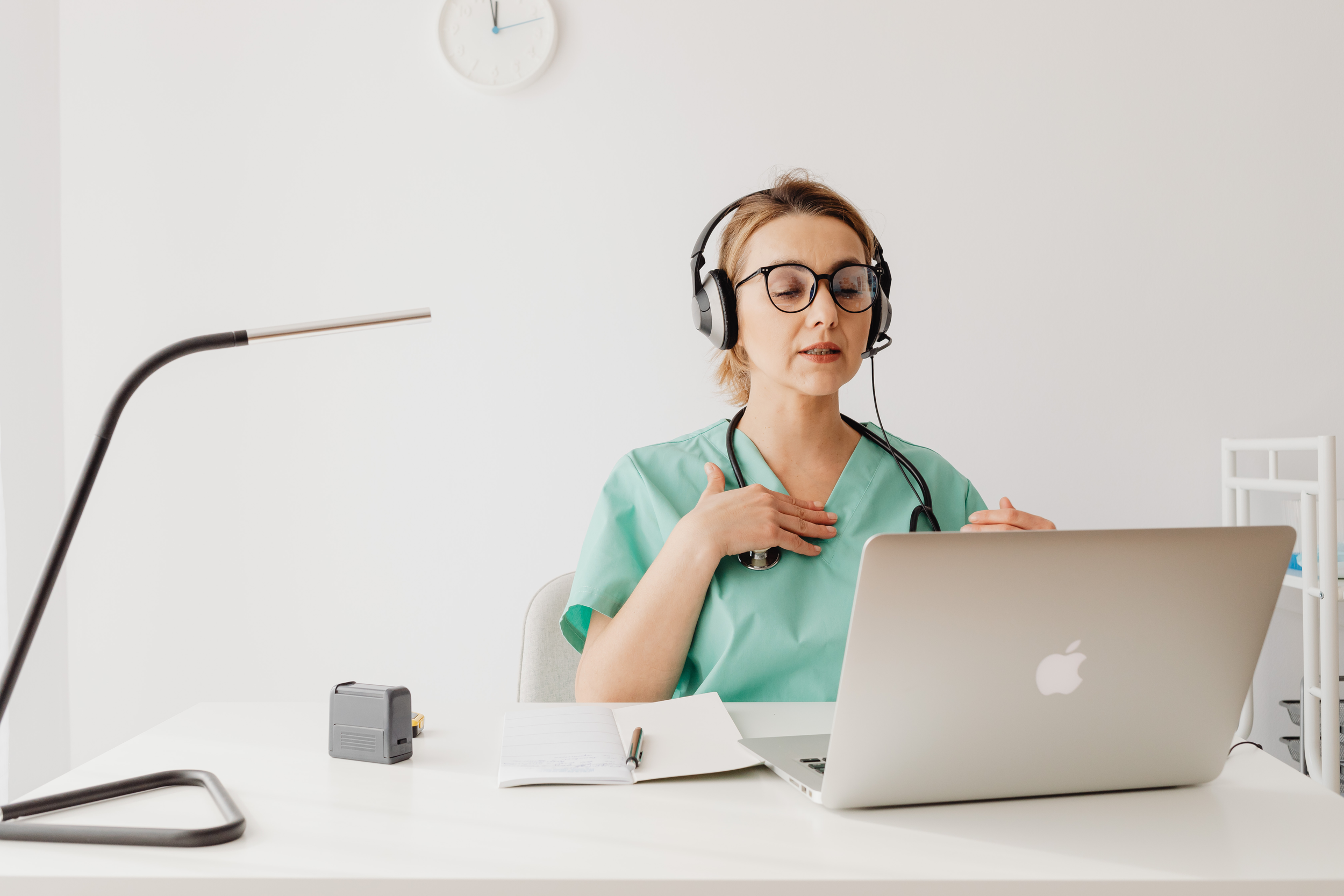
Nurse working from home on computer.
The Takeaway: Soft Nursing Isn’t a Detour — It’s a Strategy
Stepping away from acute care didn’t derail my career. It saved it. It gave me the space to heal, grow, and rediscover what I wanted.
And it can do the same for you.
Soft nursing isn’t “giving up.” It’s choosing yourself. It’s choosing sustainability. It’s choosing a career that supports your life—not the other way around.
Your nursing career is yours to shape. And sometimes, the “wrong” choice is exactly the right one.